Metal Heat Treatment Furnace For Strength

Roller Hearth Kiln
December 26, 2025
Category Connection: Mesh Belt Furnace
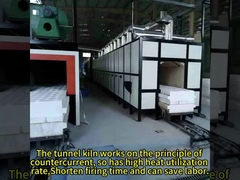
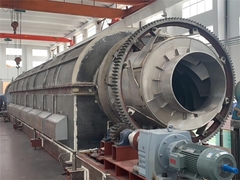
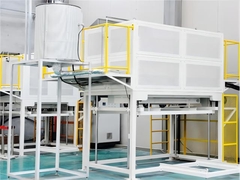
Brief: In this video, we take you inside a Quenching and Normalizing Heating Treatment Furnace to show you how it transforms the mechanical properties of metals. You'll see a detailed walkthrough of its operation, from controlled heating and soaking to the critical cooling phase. Stay tuned as we highlight the most important features and real-use results for industries like automotive, machinery, and energy.
Related Product Features:
  • This furnace modifies mechanical properties, microstructure, and performance of ferrous metals like carbon and alloy steels.
  • It is used to improve strength, hardness, toughness, and structural uniformity in metal components.
  • Applications span metallurgy, automotive, machinery, energy, and construction industries.
  • Heating temperature ranges from 800-950°C, adjustable based on material requirements.
  • Soaking time is determined by the section thickness of the components being treated.
  • Supports multiple heating methods including electric, gas, or induction for flexibility.
  • Operates with various atmospheres such as air, controlled atmosphere, or vacuum.
  • Cooling is achieved through oil, water, polymer, or air methods to achieve desired properties.
FAQs:
  • What is the primary purpose of a quenching and normalizing furnace?
    The primary purpose is to modify the mechanical properties, microstructure, and performance of ferrous metals, such as carbon and alloy steels, to enhance their strength, hardness, toughness, and structural uniformity.
  • Which industries commonly use this type of heat treatment furnace?
    It is widely used in metallurgy and steel processing, automotive and heavy equipment manufacturing, machinery and tooling production, energy, oil & gas, pressure vessel fabrication, and construction and infrastructure components.
  • What factors should be considered when selecting a quenching and normalizing furnace?
    Key selection factors include component geometry and size, steel grade and chemistry, required hardness and strength, production volume, atmosphere control needs, environmental and safety regulations, and integration with cooling systems.