logo

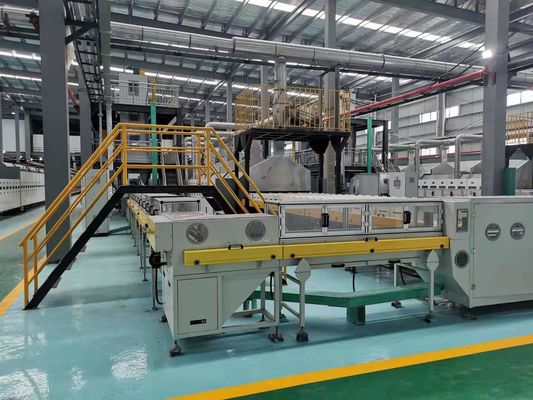
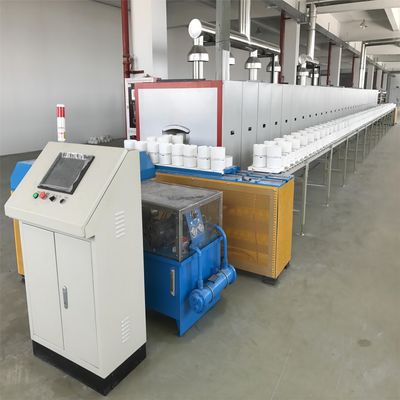
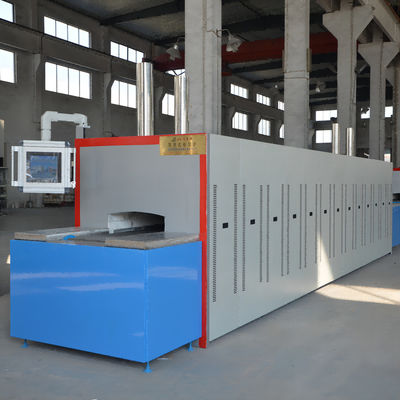
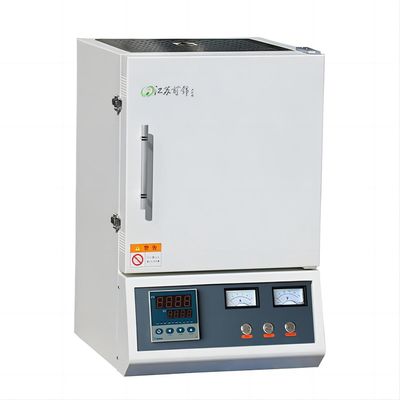
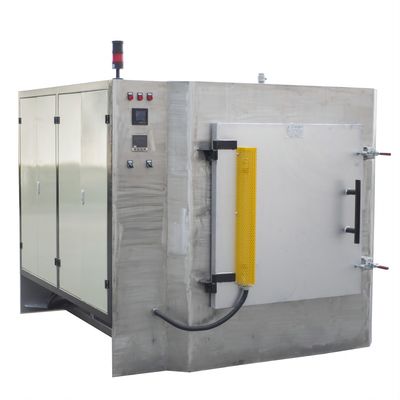
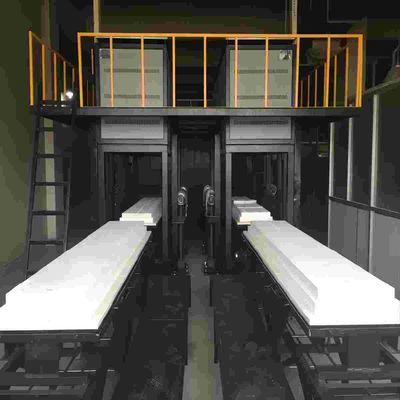
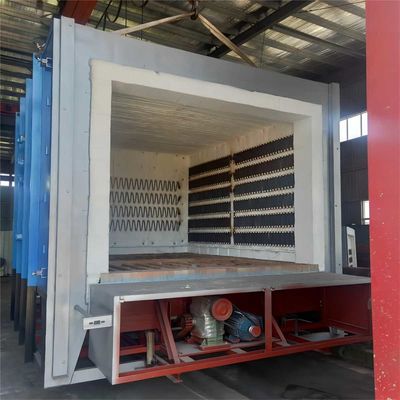
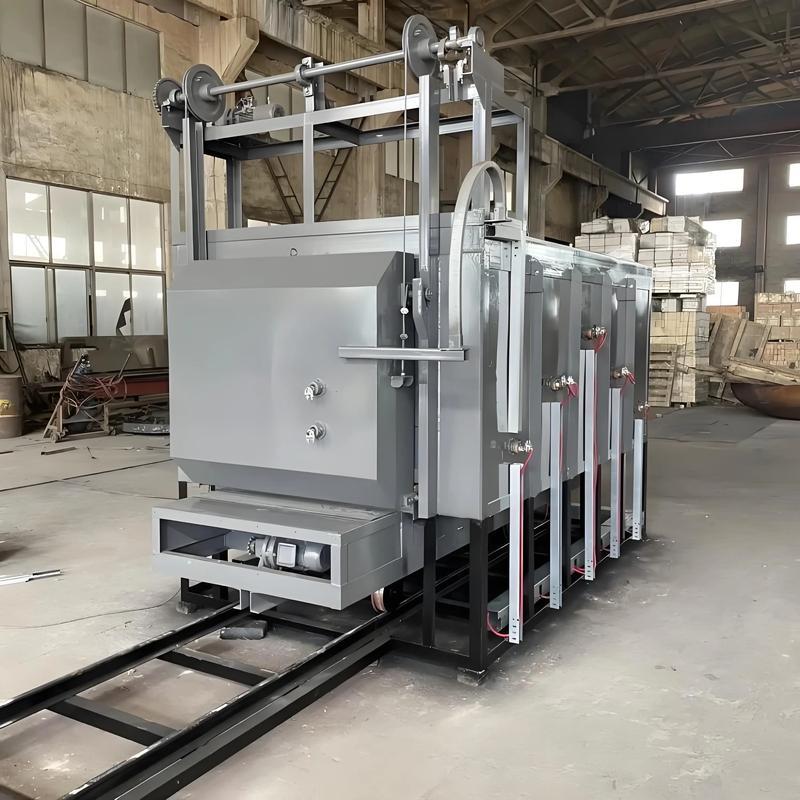
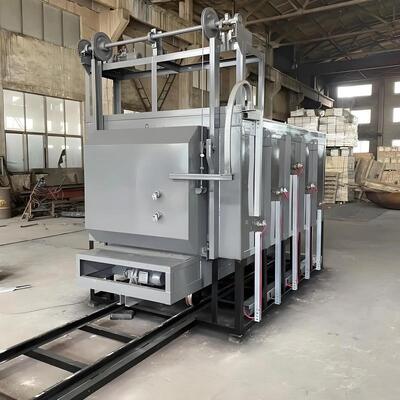
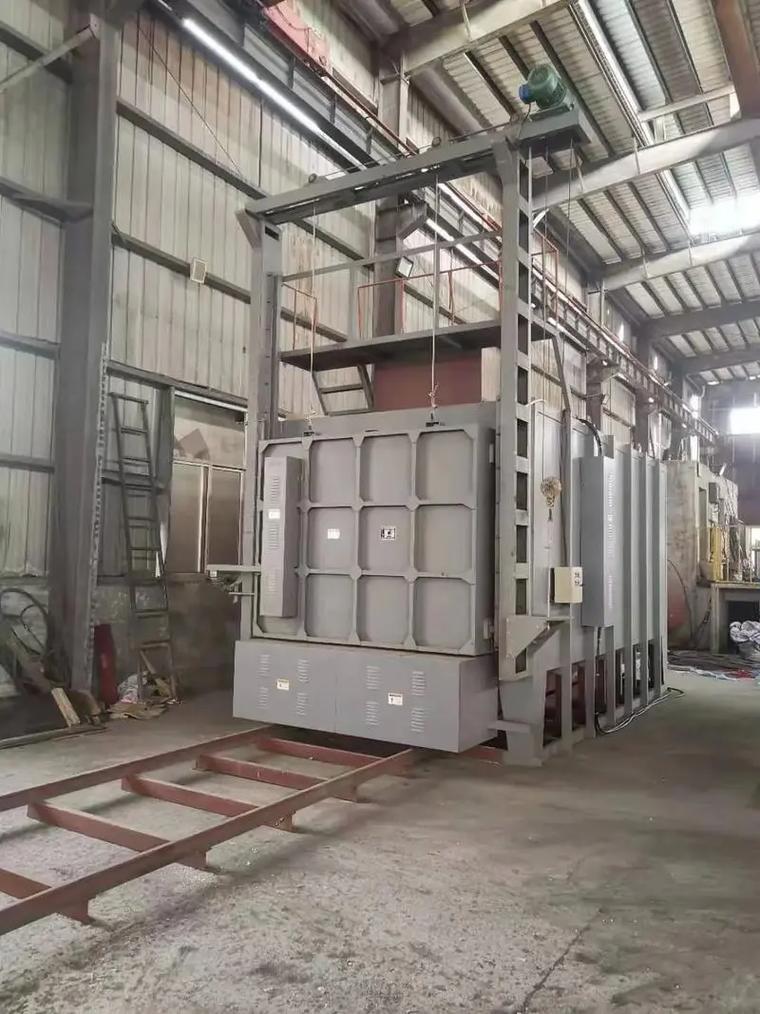
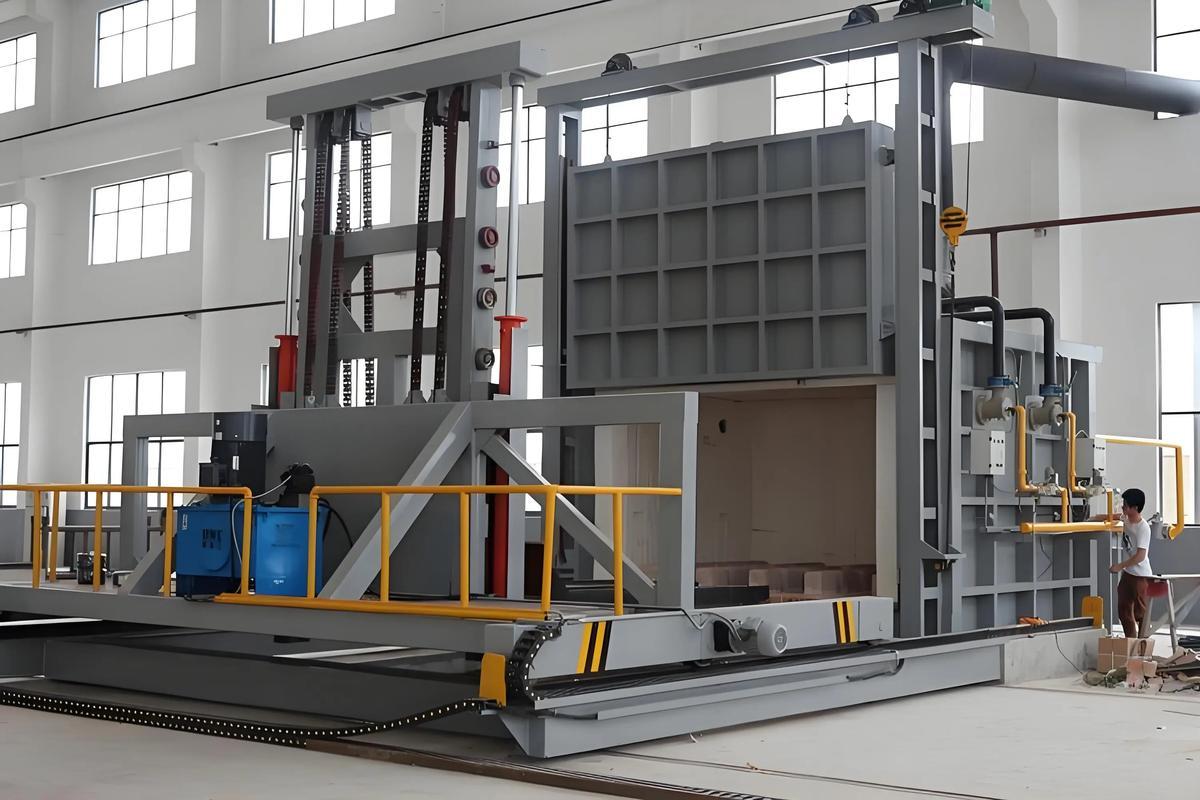
Quenching And Normalizing Heating Treatment Furnace

1
MOQ
Negotiable
Price
Quenching And Normalizing Heating Treatment Furnace
Features Gallery Product Description Request A Quote
Features
Specifications
Work Temperature: ≤950℃
Energy: Nature Gas Or Electricity
Heating Method: Burner Or Heating Element
Number Of Heating Zones: Determined By The Temperature Curve
Temperature Control Method: Automatic Temperature Control
Belt Speed: Adjustable
Highlight:

ISO9001 industrial furnace

,

Mesh Belt industrial furnace

,

Continuous sintering furnace

Basic Infomation
Place of Origin: CHINA
Brand Name: QIANJIN
Certification: ISO9001
Model Number: MBK
Payment & Shipping Terms
Packaging Details: plywood package
Delivery Time: 30 work days
Supply Ability: 10PCS/month
Product Description

Quenching And Normalizing Heating Treatment Furnace
 
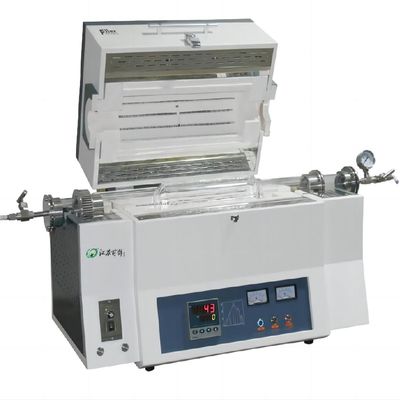
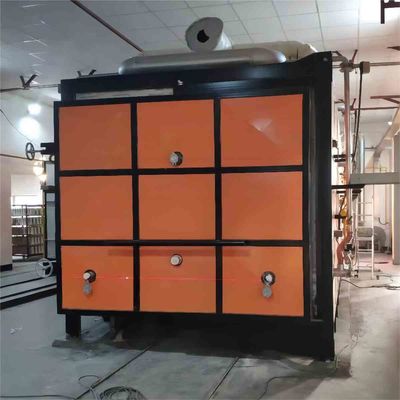
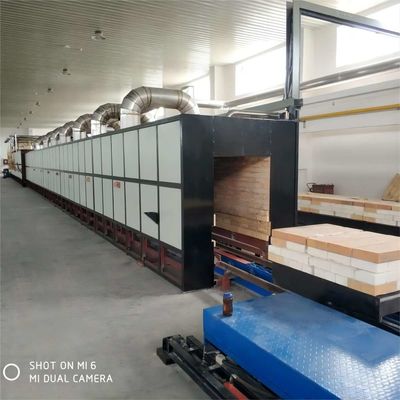
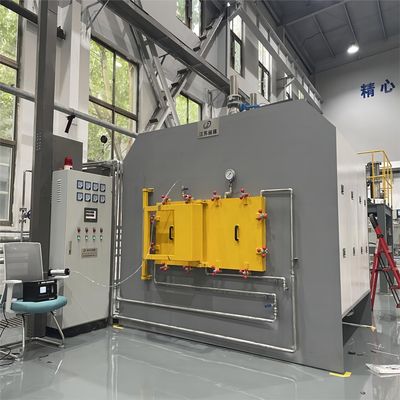
A Quenching and Normalizing Furnace is a heat-treatment system used primarily in metallurgical and manufacturing industries to modify the mechanical properties, microstructure, and performance of ferrous metals, especially carbon steels and alloy steels. These furnaces are integral to processes that require controlled heating, soaking, and cooling.


1﹑Application


Quenching and normalizing furnaces are applied where improved strength, hardness, toughness, and structural uniformity are required. Typical industries include:

1)Metallurgy and steel processing

2)Automotive and heavy equipment manufacturing

3)Machinery and tooling production

4)Energy, oil & gas, and pressure vessel fabrication

5)Construction and infrastructure components


2﹑Technical specification


Item Specifications and performance parameters
Heating temperature 800–950 °C (material dependent)
Soaking time Based on section thickness
Heating method Electric, gas, or induction
Atmosphere Air, controlled atmosphere, or vacuum
Cooling method Oil, water, polymer, air


3﹑Selection Considerations


When specifying a quenching and normalizing furnace for an application, key factors include:

1)Component geometry and size

2)Steel grade and chemistry

3)Required hardness, strength, and toughness

4)Production volume (batch vs. continuous)

5)Atmosphere control requirements

6)Environmental and safety regulations

7)Integration with quench tanks or cooling systems


Recommended Products
Get in touch with us
Contact Person : Carrie Pu
Tel : 18521304648
Fax : 86-510-87939955
Characters Remaining(20/3000)